
Sommaire :
The EU’s Corporate Sustainability Reporting Directive (CSRD) for Cosmetics

The Corporate Sustainability Reporting Directive (CSRD) mandates detailed sustainability reporting for businesses operating within the European Union (EU). It standardizes reporting metrics and broadens the scope of companies required to report on environmental, social, and governance (ESG). By 2028, approximately 50,000 companies will be subject to this expansive sustainability reporting. If a company satisfies any of the following criteria, they are subject to the new law:
Large EU Companies
Companies with 250 or more employees, €40M net turnover, or €20M total assets
Non-EU companies
Companies with significant EU operations, EU net turnover of €150M+, and an EU-based subsidiary or branch.
SME’s
Businesses with listings on EU stock exchanges will be under CSRD, with simplified reporting requirements.
What Can the Health & Beauty Industry Expect?
The CSRD considerably standardizes non-financial indicators and expands the reach of companies subject to sustainability reporting and auditing.
Listed companies with public shares and 500+ employees, already subject to reporting, will have to adapt to new, expanded sustainability reporting criteria, such as enhanced data granularity and third-party verification.
Entities new to mandated sustainability reporting face a steep learning curve. They must develop frameworks, establish data collection mechanisms, and align with the European Sustainability Reporting Standards (ESRS).
Non-compliance consequences will vary across EU Member States and are still in development as countries decide their penalties. In Germany and Italy, potential fines are as high as €10M or 5% of total revenue. In France, corporate directors could face judge-imposed penalties, with fines of up to €75,000 for repeated infringement and even possible imprisonment.
Timeline for Implementation
Sustainability phased rollout spans several years but is just around the corner.
Fairglow prepares you to meet CSRD Compliance with ease and granularity.
Health and beauty businesses must act swiftly to comply with CSRD requirements. This will require serious work, as companies must collect data and publicly disclose a large volume of information. Don’t worry—Fairglow can help!
Including All Company Stakeholders
Companies should ask themselves if they have the right tools and partnerships to collect and process this complex data. Meeting the CSRD will involve many stakeholders beyond dedicated sustainability leads or teams. For example, companies will likely need to implement IT procedures to ensure the integrity and traceability of this data, which requires IT Departments to be involved early for success.
Fairglow customer success teams and environmental experts provide ongoing support for data collection.
Integrating Reporting Frameworks
Begin trial reporting to benchmark performance. Adopt ESRS-aligned reporting practices, ensuring both qualitative and quantitative metrics are covered. The Global Reporting Initiative (GRI), the most used reporting framework, offers well-established standards and industry-specific guidelines.
Fairglow’s automated and transparent methodology simplifies carbon accounting, including GHG Protocol Scopes 1-2-3.
Enhancing Data Collection and Analysis
Conduct full-scale Life Cycle Assessments (LCAs) for every product. By leveraging digital tools for sustainability data management and partnering with suppliers to improve value chain transparency, you gain a granular understanding of each product's varying impact. powerful insights
LCAs are typically complex, time-consuming, and expensive. Fairglow's advanced algorithms simplify and scale LCAs for your entire product portfolio in real-time.
Conduct Materiality Assessments
A materiality assessment enables health and beauty brands to understand their product-level impacts and overall business footprint in the context of sustainability. It is a strategic tool to navigate CSRD compliance while fostering innovation and building consumer and investor trust. Companies can create targeted sustainability strategies that meet regulatory obligations and resonate with their stakeholders.
Fairglow Scenario Analysis tool (pictured below) helps you pilot impact reduction strategies so you can prioritize with a clear path.
Communicate Strategically
Develop a CSRD-compliant report to share progress with stakeholders. Highlight sustainability achievements in marketing to engage consumers and investors and leverage your findings to indicate your sustainability commitments.
With Fairglow, you can report for CSRD and more (BEGES, TFCD, SASB, JRI, GRI).
Monitor Changes
Regulations, frameworks, and guidelines will evolve. Stay updated on CSRD and ESRS developments and collaborate within industry groups to share best practices.
Fairglow’s environmental experts help you navigate updates and changes to the CSRD and other global sustainability policies.
The CSRD is a substantial development in a rich, deep, and fast-changing history of 21st-century sustainability reporting.
Sustainability reporting is much more historic and evolving than we tend to give it credit for. By the time of the CSRD's first reports, it will have been ten years since the landmark NFRD was established and almost 30 years since the development of the Global Reporting Index. By enforcing standardization and increasing the scope of responsible companies, the CSRD will drive corporate accountability and promote sustainable investments, not just in Europe but worldwide.
Compliance with the CSRD is more than a regulatory obligation—it’s an opportunity to strengthen consumer trust and attract sustainability-focused investors. By embedding sustainability considerations and reporting into their operations, health and beauty brands can position themselves as leaders in a market increasingly driven by eco-consciousness.
Talk to Fairglow today to see how to get ahead of the CSRD and other growing regulations.


Articles similaires
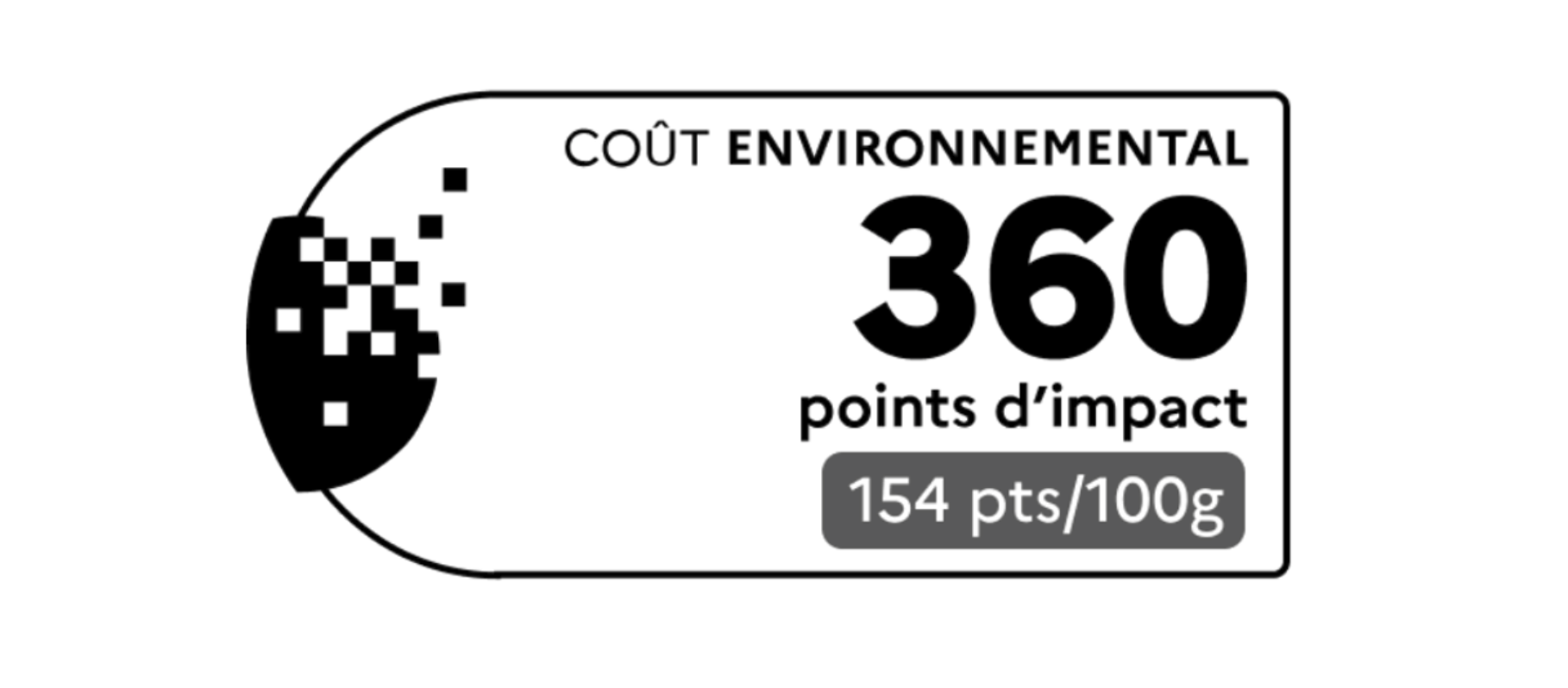
Is environmental labeling mandatory for cosmetics?
The fashion industry is paving the way for a path that the cosmetics industry has already embarked upon.
Reglementation
20 Jul
Is environmental labeling mandatory for cosmetics?
The fashion industry is paving the way for a path that the cosmetics industry has already embarked upon.
20 Jul

PWR, EMPCO, UWTD: Why are these regulations a game-changer?
Behind these new regulations lies a more profound transformation for the cosmetics industry.
Reglementation
10 Jun
PWR, EMPCO, UWTD: Why are these regulations a game-changer?
Behind these new regulations lies a more profound transformation for the cosmetics industry.
10 Jun
Implications of EU Deforestation Regulation for the Cosmetics Industry
Reglementation
10 Dec
5
Min
Implications of EU Deforestation Regulation for the Cosmetics Industry
10 Dec