
Sommaire :
Cosmetics Brands: 50% Risk of Unintentional Greenwashing?

Greenwashing Risks Are on the Rise Globally
Companies are racing to align with growing environmental awareness in today's eco-conscious marketplace, leveraging sustainability to bolster their reputations. However, this rush often results in greenwashing—a misleading practice that can damage consumer trust and brand credibility. A survey of corporate procurement officers across the UK, Europe, and the US reveals a striking insight: over half of the organizations worry they might be unintentionally greenwashing. This concern stems from a broader lack of confidence in sustainability claims and Scope 3 CO2 reporting, underscoring the challenges companies face in navigating the complex demands of ESG commitments.
It’s a fair concern. Research shows that in 2023, 1 in every 4 climate-related ESG risks globally was linked to greenwashing, and cases are on the rise worldwide, with significant trends in Europe and North America. Another study shows that only 48% of organizations feel “very confident” in their ability to “accurately” report Scope 3 emissions. On the other hand, nearly two-thirds (62%) admit that reporting on Scope 3 emissions often feels more like an educated guess than a precise measurement.
Understanding Greenwashing
Greenwashing occurs when companies overstate or fabricate environmental benefits. It misleads consumers into believing a brand is reducing its ecological impact when, in reality, it may be doing little—or worse, causing harm. This practice erodes trust, sparks skepticism, and damages reputations. Several forms of greenwashing have emerged, each presenting unique challenges for brands and stakeholders.
Greenlightin
Greenlighting involves spotlighting specific sustainability initiatives to distract from harmful practices elsewhere. For instance, a company might highlight its decarbonization efforts while continuing to contribute to plastic pollution. Investors and stakeholders must evaluate a company’s full ESG (Environmental, Social, and Governance) impact to ensure its sustainability commitments are genuine.
Greenrinsing
Greenrinsing refers to altering or resetting ESG goals before achieving them, avoiding accountability while projecting a commitment to sustainability. This tactic often exploits the abundance of environmental labels and buzzwords, misleading stakeholders. A rigorous examination of claims and long-term commitments is essential to counter green rinsing.
Greenhushing
Greenhushing is the deliberate underreporting or hiding of sustainability data to avoid scrutiny. While compiling ESG data can be complex, transparency is crucial for meeting regulatory requirements and building trust. Companies that greenhush undermine accountability, shrink their credibility and fail to educate consumers on meaningful sustainability efforts.
Greencrowding
Greencrowding involves hiding behind group initiatives to avoid scrutiny. Companies engaging in this practice align with industry-wide sustainability efforts but contribute minimally or fail to deliver on individual commitments. Stakeholders must dig deeper to ensure these companies are not merely using group efforts as a shield.
Implications for the Cosmetics Industry
For the cosmetics industry, where bold claims about sustainability are common, transparency is essential. Failing to substantiate these claims can quickly lead to accusations of greenwashing. Beyond meeting FTC Green Guides, brands must navigate additional regulatory requirements, such as the Modernization of Cosmetics Regulation Act (MOCRA). Transparency is no longer optional—it is critical to maintaining brand integrity and meeting consumer expectations.
A legislative push accompanies growing stakeholder, environmental, and consumer demand for authentic and accountable sustainability action from businesses. Emerging laws, such as the EU Corporate Sustainability Reporting Directive (CSRD), the Digital Product Passport, California’s AB1305, and Truth in Labeling laws, emphasize transparent ESG communication. These regulations mandate detailed, verifiable disclosures about environmental impact, making it riskier for companies to avoid transparency. Non-compliance could result in fines, market exclusion, and reputational damage.
How Fairglow Supports Transparent ESG Reporting
Sustainability reporting isn’t just a compliance exercise—it’s an opportunity to align your business model and goals with genuine ESG commitments. To address the challenges of unintentional greenwashing and build confidence in your reporting, companies need to start with a strong foundation: embedding sustainability into their core processes and strategies. From there, they can leverage growing knowledge and tools to ensure ESG reporting is accurate and actionable. Done right, this approach supports future strategies, drives meaningful industry change, and positions businesses for successful risk management and sustainable transitions. At Fairglow, we provide cosmetics companies with tools and methodologies to meet transparency demands effectively.
Ensuring Accuracy
Navigating the cosmetics industry's complex value chains often means encountering incomplete sustainability data. Fairglow’s Life Cycle Assessment (LCA) methodology addresses this challenge by aligning with globally recognized standards, including the Product Environmental Footprint (PEF), GHG Protocol, and ISO 14000. This ensures your sustainability reporting is rigorous, compliant, and built on a solid foundation of accuracy.
Detailed and Granular Reporting
Fairglow goes beyond surface-level reporting by offering detailed formats tailored to regulatory requirements. This includes comprehensive Scope 1, 2, and 3 carbon accounting, giving you the clarity to communicate your environmental impact confidently.
Strategizing for Impact Reduction
With Fairglow’s Eco-design & Corporate Reduction Module, you can transform your data and reports into actionable strategies. This tool helps you identify opportunities to reduce environmental impact effectively, ensuring your sustainability efforts drive real change while aligning with business goals.
Gaining a Competitive Edge: By detailing processes, strategies, and environmental impacts, companies can empower consumers with the knowledge to make informed choices, fostering trust and responsible consumption.
Transparency in sustainability is about more than compliance—it builds trust, strengthens brand reputation, and drives competitive advantage. Openly communicating your sustainability efforts, challenges, and progress fosters accountability and aligns with consumer values.
Brands should embrace transparency to educate the market and enhance their credibility. The cosmetics industry has an opportunity to lead the charge in sustainability by balancing bold commitments with transparency and compliance. Avoiding greenwashing and embracing accurate ESG reporting builds trust, enhances brand reputation, and supports genuine environmental progress. Fairglow’s LCA methodology provides a strong foundation for transparent communication, ensuring that every sustainability claim is verifiable and impactful.
By prioritizing transparency, cosmetics companies can navigate evolving regulations and create a more sustainable and trustworthy industry.
Don’t wait for the green light. Get ahead of the demand for transparency with Fairglow today.
Related Articles
The EU’s Corporate Sustainability Reporting Directive (CSRD) for Cosmetics
Understanding the Digital Product Passport for Cosmetics Brands


Articles similaires
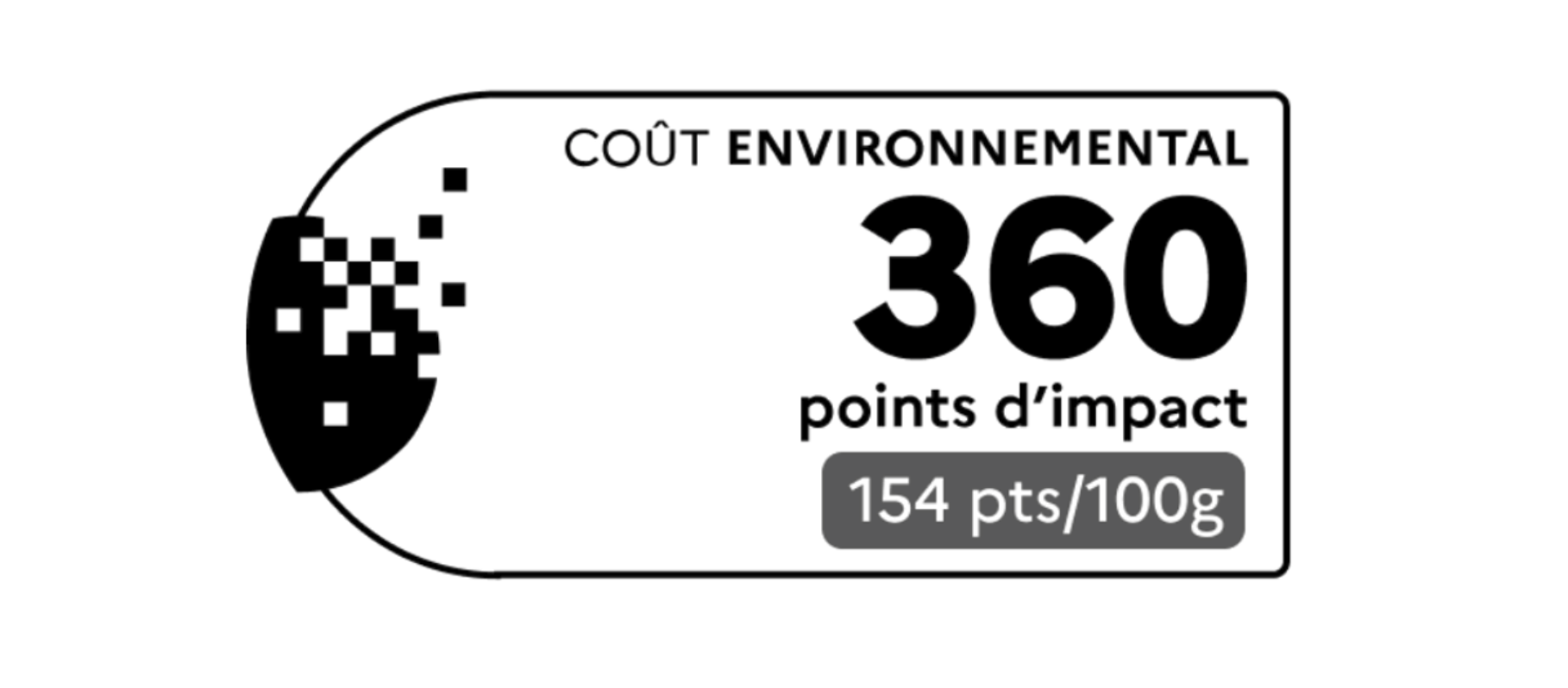
Is environmental labeling mandatory for cosmetics?
The fashion industry is paving the way for a path that the cosmetics industry has already embarked upon.
Reglementation
20 Jul
Is environmental labeling mandatory for cosmetics?
The fashion industry is paving the way for a path that the cosmetics industry has already embarked upon.
20 Jul

PWR, EMPCO, UWTD: Why are these regulations a game-changer?
Behind these new regulations lies a more profound transformation for the cosmetics industry.
Reglementation
10 Jun
PWR, EMPCO, UWTD: Why are these regulations a game-changer?
Behind these new regulations lies a more profound transformation for the cosmetics industry.
10 Jun

The EU’s Corporate Sustainability Reporting Directive (CSRD) for Cosmetics
Reglementation
13 Jan
5
Min
The EU’s Corporate Sustainability Reporting Directive (CSRD) for Cosmetics
13 Jan