
Sommaire :
The “California Effect”: What are the Environmental Regulations Impacting Cosmetics in the USA?

California is known for some of the strictest environmental regulations in the USA. These standards often set a precedent, influencing policies in other states and even internationally. This phenomenon sometimes referred to as the" California Effect,” exists in a similar capacity in Europe, where the" Brussels Effect” refers to the European Union's stringent regulations, particularly environmental, social, and governance (ESG) standards, frequently set benchmarks that ripple across global markets. For example, the EU's Corporate Sustainability Reporting Directive (CSRD) and Product Environmental Footprint (PEF) standards are pushing companies worldwide to align with higher transparency and accountability requirements.
Some key regulations impacting US-based companies and companies looking to sell in California:
Climate Corporate Data Accountability Act (SB253)
Mandates that all public and private businesses with revenues exceeding $1B USD operating in California report their emissions in full, covering scopes 1-2-3, starting in 2026 for 2025 data and obtaining third-party verification.
Beauty companies must conduct comprehensive evaluations to quantify GHG emissions across their entire value chain, assessing each stage of their product's lifecycle. They must establish robust data collection systems to accurately gather emissions information from suppliers, manufacturers, distributors, and retailers. Collaboration with suppliers is essential to ensure transparency and secure necessary data, which may involve supporting smaller partners in developing their reporting capabilities. Additionally, companies must invest in emission reduction strategies by sourcing sustainable materials, optimizing manufacturing processes, and improving energy efficiency. Lastly, since SB 253 mandates third-party assurance for emissions disclosures, businesses must engage qualified assurance providers and prepare for external audits to ensure compliance.
Climate-Related Financial Risk Act (SB261)
The law mandates that large US businesses with annual revenues exceeding USD 500M and operating in California disclose climate-related financial risks and mitigation strategies to the public every two years.
Companies must assess and disclose their climate-related financial risks, identifying how climate change could impact their operations, supply chains, and financial performance. They must develop robust risk management strategies to mitigate potential disruptions, such as extreme weather events, regulatory changes, and shifting consumer preferences. Implementing comprehensive reporting systems is essential to promptly track and disclose these risks, aligning with the recommendations of the Task Force on Climate-related Financial Disclosures. Businesses must engage with stakeholders, including investors and regulators, to ensure compliance and demonstrate proactive climate risk management. Failure to comply may result in penalties and reputational damage.
Voluntary Carbon Market Disclosures Act (AB 1305)
Designed to increase transparency in companies’ use of carbon offsets. It requires organizations to disclose detailed information about the carbon offset projects publicly.
Companies must provide clear and transparent disclosures about their participation in voluntary carbon markets, including details on carbon credits purchased, sold, or marketed. They must verify the legitimacy of these credits by ensuring they come from credible projects with measurable and verifiable emissions reductions. A robust reporting system is essential to track carbon credit transactions and prevent misleading claims about carbon neutrality or sustainability efforts. Companies must also follow industry best practices and regulatory guidelines to maintain transparency and avoid greenwashing. Failure to comply can damage your reputation and lead to legal consequences. The evolving regulatory landscape is part of a broader global trend. Consumer products, including cosmetics, are under increasing global scrutiny, highlighting the growing need for tailored methods to meet these new standards.
Businesses often innovate to adopt EU or California-compliant practices to maintain access to its lucrative market, driving global adoption of more rigorous sustainability standards. Regulation is not a default business inhibitor; when executed effectively, it can become as fundamental to driving innovation in emerging markets as the technology or the people powering it by supporting healthy competition and commercial adoption. This effect helps establish an environment where innovation can grow, manage risks, and build trust to succeed at scale. In a survey of major US companies, 100% of companies said they planned to continue sustainability strategies without regulatory requirements thanks to the anticipated benefits from their sustainability programs, such as revenue growth and brand value.
California's evolving regulatory landscape is part of a broader global trend. Consumer products, including cosmetics, are under increasing global pressure and risk regarding climate impact, highlighting the growing need for tailored methods to meet new standards.
Growing regulation and increased climate risks have left space within sustainability business leadership. Many industry leaders, facing pressure from consumers, employees, competition, and the opportunity to boost profits, are retaining and expanding their climate, clean energy, and sustainability initiatives despite recent and massive sustainability commitment rollbacks in the USA, for example.
Navigating the regulatory landscape in the United States is becoming increasingly complex. In 2023 alone, nine new state bills addressing cosmetic packaging and ingredients were passed, spanning from California to Texas. Coupled with rollbacks and uncertainty at the federal level, staying on top of these regulatory changes has never been more critical.
The big question is: How can the cosmetics industry adequately navigate this ever-more intricate web of regulations worldwide?
Making sustainability for beauty simple and easy.
Precise and Granular Data Collection
An Enterprise Resource Planning (ERP) system with traceability features is essential for cosmetics companies looking to ensure transparency, regulatory compliance, and sustainability across their supply chains. ERP and traceability systems track raw materials, formulations, and finished products at every production stage.
This will inevitably lead to product live cycle management, which is crucial to correctly understanding a product's environmental impact. Product Life Cycle Analysis (LCAs) can be complex, time-consuming, and expensive, but Fairglow's advanced algorithms simplify and scale LCAs in real-time across your entire product portfolio. Our comprehensive digital tools will improve your value chain insights. With dedicated and precise data, you gain powerful insights into each product's varying impact.
Our technology allows for an in-depth analysis without the usual burden, enabling companies to drive sustainability goals confidently. Couple this treasure trove of digestible and communicable data with close collaboration with suppliers and dedicated leadership pushing sustainability, and your regulatory compliance and sustainability strategy will be more navigable than ever.
Regulatory Compliance Made Simple
Under California's SB 253 and many other regulations, companies must report their greenhouse gas (GHG) emissions annually following GHG Protocol standards. The GHG Protocol categorizes emissions into three scopes to ensure comprehensive company carbon footprint tracking. Fairglow helps brands measure, report, and reduce their emissions in alignment with stringent global standards like the GHG Protocol. Our AI-powered platform and streamlined data collection ensure accurate Scope 1, 2, and 3 reporting.
With built-in third-party verification support, we make compliance seamless and efficient. Adopting proper reporting frameworks is a key part of compliance. Fairglow helps beauty businesses implement and align with recognized sustainability reporting standards, such as the Global Reporting Initiative, which offers comprehensive industry-specific guidelines. Companies can benchmark their performance by conducting trial reporting and ensuring they meet qualitative and quantitative metrics. Fairglow'ss automated and transparent methodology simplifies carbon accounting for Scopes 1-2-3, making compliance a manageable and accurate process.
Analyzing for the Future
Collecting data and generating reports are just the beginning—real progress comes from using that information to create meaningful emissions reduction strategies. Fairglow's suite of solutions provides beauty and consumer goods companies with the tools and expertise to maintain compliance, enhance sustainability performance, and lead the industry as regulations evolve.
Beyond streamlining data collection, reporting, and life cycle assessments, our platform enables you to explore various impact reduction scenarios through our scenario analysis tool.
Navigating the beauty industry's evolving regulatory landscape doesn't have to be overwhelming. With Fairglow, companies can confidently embrace sustainability, comply with stringent regulations, and enhance their reputation as responsible industry leaders. Book a demo today.
Related Articles
Scope 3 Representing >95% of Cosmetic'ss Overall Corporate Emissions
The Reciprocal Return on Investment of Sustainability
The Corporate Sustainability Reporting Directive (CSRD) for Cosmetics


Articles similaires
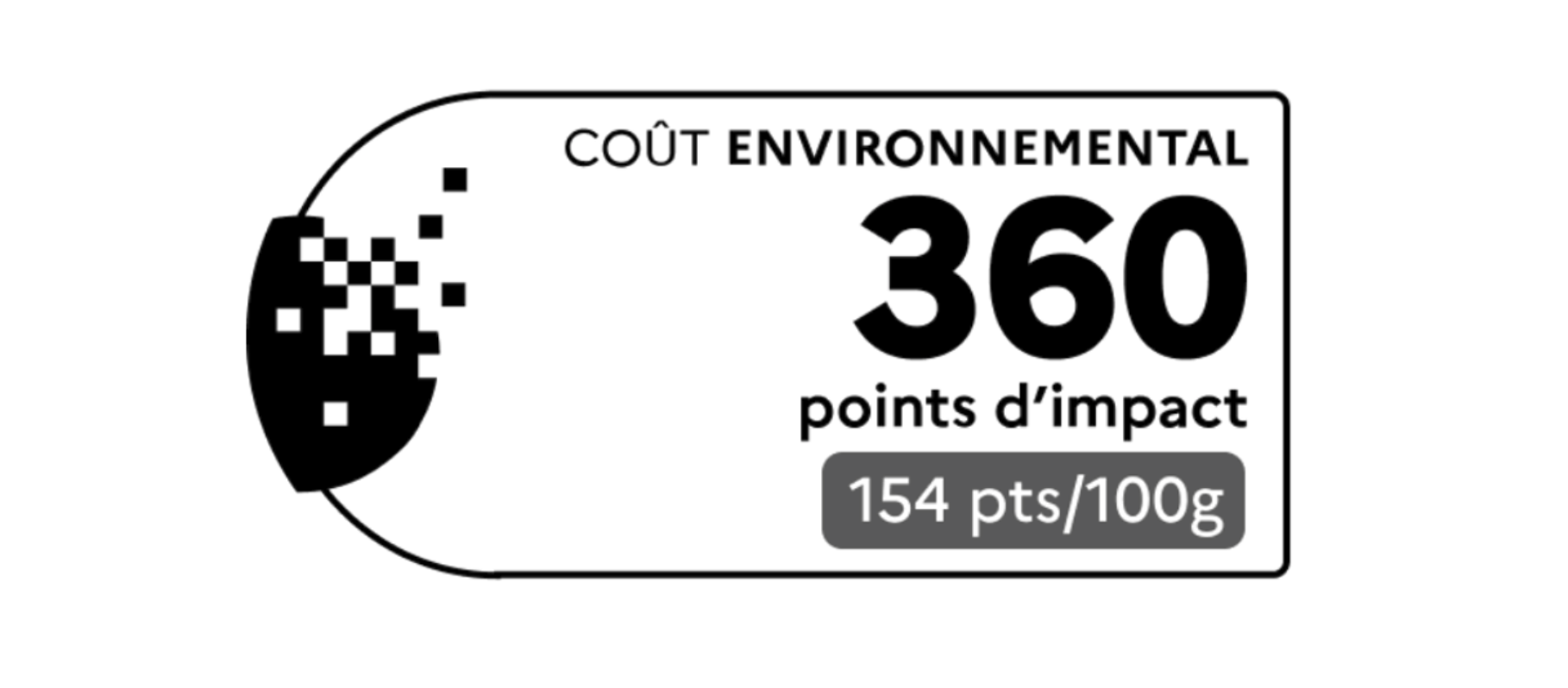
Is environmental labeling mandatory for cosmetics?
The fashion industry is paving the way for a path that the cosmetics industry has already embarked upon.
Reglementation
20 Jul
Is environmental labeling mandatory for cosmetics?
The fashion industry is paving the way for a path that the cosmetics industry has already embarked upon.
20 Jul

PWR, EMPCO, UWTD: Why are these regulations a game-changer?
Behind these new regulations lies a more profound transformation for the cosmetics industry.
Reglementation
10 Jun
PWR, EMPCO, UWTD: Why are these regulations a game-changer?
Behind these new regulations lies a more profound transformation for the cosmetics industry.
10 Jun

The EU’s Corporate Sustainability Reporting Directive (CSRD) for Cosmetics
Reglementation
13 Jan
5
Min
The EU’s Corporate Sustainability Reporting Directive (CSRD) for Cosmetics
13 Jan